
History of the Center
The history of the Municipal Non-Profit Enterprise “Ternopil Regional Blood Service Center” of the Ternopil Regional Council is closely linked to the development of transfusion medicine in Ukraine.
Through four key stages of development, our center has become a modern medical institution that meets Ukrainian and international quality standards.
The Early Years (1930–1941)
Blood transfusion services and emergency surgery began to develop during this period. In 1938, the first regional blood transfusion stations were established within the Soviet healthcare system. According to historical archives, Ternopil had its own blood transfusion station by 1940. It was one of 14 medical facilities serving the city’s residents.
Postwar Recovery (1945–1965)
Until 1960, the Ternopil region’s blood transfusion station was located in Chortkiv. Construction of a dedicated building in Ternopil began in 1958. On January 1, 1960, the Ternopil Regional Blood Transfusion Station was mentioned for the first time in the register of orders.
During this period, the station began preparing blood components, including red blood cell concentrate, leukocyte-platelet concentrate, and plasma. Methods for immunohematological blood testing were also introduced.
New Technologies for Collecting Blood and Its Components (1965–1985)
This period brought significant technological progress. The blood preservation department began preparing alcohol-preserved blood, heparinized blood, red blood cell suspensions, washed red blood cells, fibrinogen, and anti-staphylococcal plasma.
1967 – Manual plasmapheresis was introduced as a method of collecting plasma for the first time.
1970 – A blood protein fractionation laboratory opened. It produced albumin and anti-measles immunoglobulins. Later, the laboratory began producing other preparations, including antihemophilic gamma globulin, thrombin, fibrin film, polybiolin, and specific immunoglobulins.
1980 – The station was renovated, and its equipment for producing plasma-derived preparations was upgraded. The new equipment included fractionation tables, a reactor, and three KS-30 and LZ-30 freeze-drying units.
Modernization and the Present Day (1985–Present)
1985 – Polymer containers began to be used for blood collection, significantly improving blood preservation methods.
1988 – A laboratory was established to test for AIDS, hepatitis, and syphilis.
1992 – The technical quality control department began operating.
1994 – Collection of fresh frozen plasma began.
1998 – Modern production technologies using Millipore equipment made it possible to produce albumin that met international standards.
2003 – The immunological standards laboratory introduced gel testing with ID cards to determine blood groups and detect immune antibodies to blood group antigens.
2004 – The blood and blood components collection department introduced automated plasmapheresis using Autopheresis-C devices.
2007 – Donor platelets began to be collected by cytapheresis using the Haemonetics MCS+ device.
2018 – Thrombocytapheresis began to be performed using the Trima device.
Education and Research
Today, the Municipal Non-Profit Enterprise “Ternopil Regional Blood Service Center” of the Ternopil Regional Council is equipped with modern technology and serves as a training site for medical students of I. Ya. Horbachevsky Ternopil State Medical University.
Our center also provides informational courses and practical training for transfusion medicine physicians, as well as professional development courses for nursing staff from blood transfusion centers and hospital blood transfusion departments across the region.
Керівники Тернопільського обласного центру служби крові
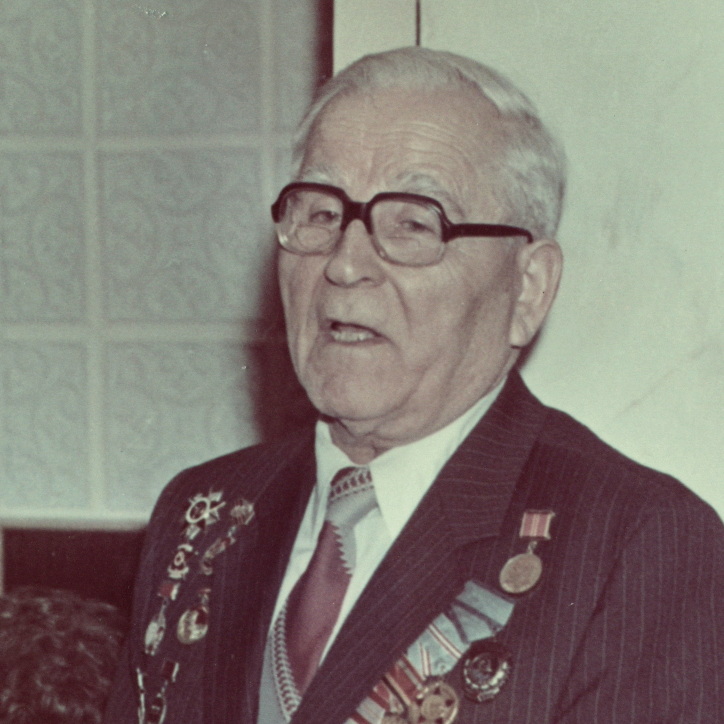
Володимир Маринюк
1960–1977 р.
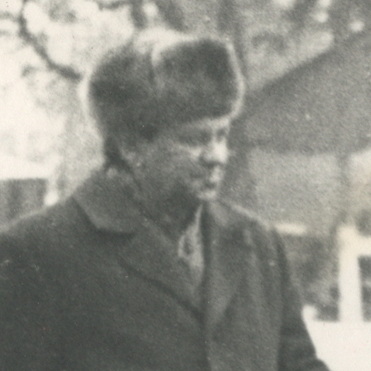
Валентин Олійник
1977–1987 р.
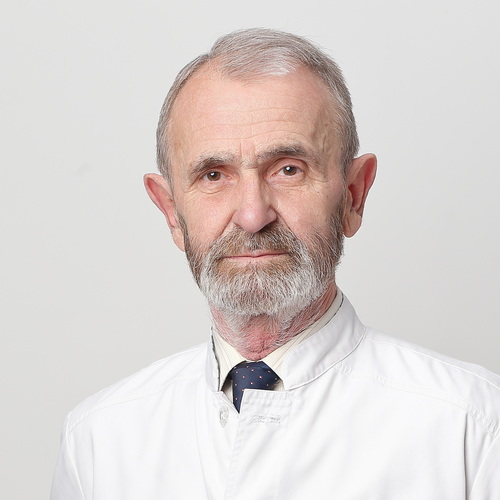
Петро Лучанко
1987–2024 р

Василь Хомінець
Керівник центру, громадський діяч та депутат Тернопільської обласної ради
Головні медичні сестри:
Антоніна Баніцька
1960–1978 р.
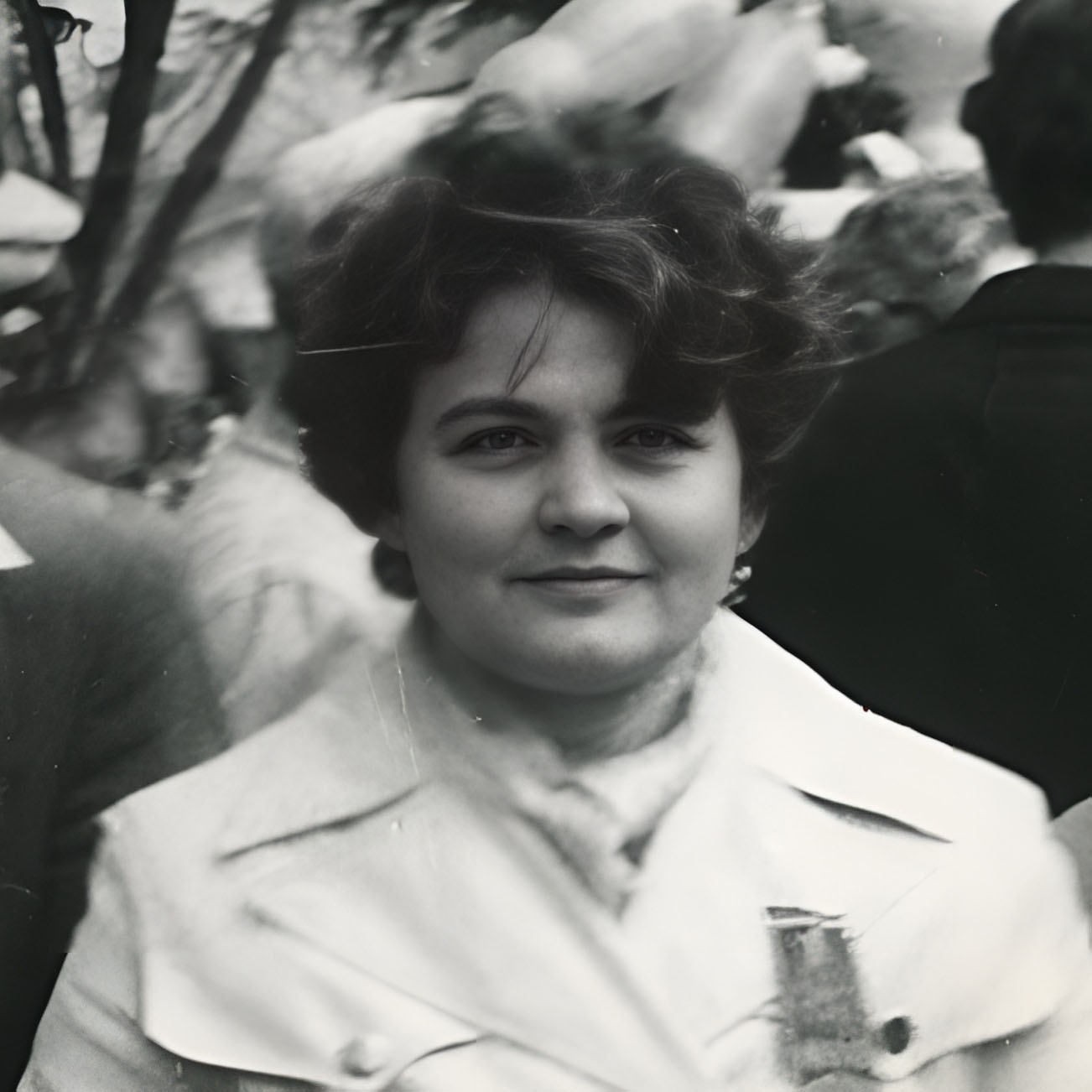
Марія Щерба
1978–1996 р.
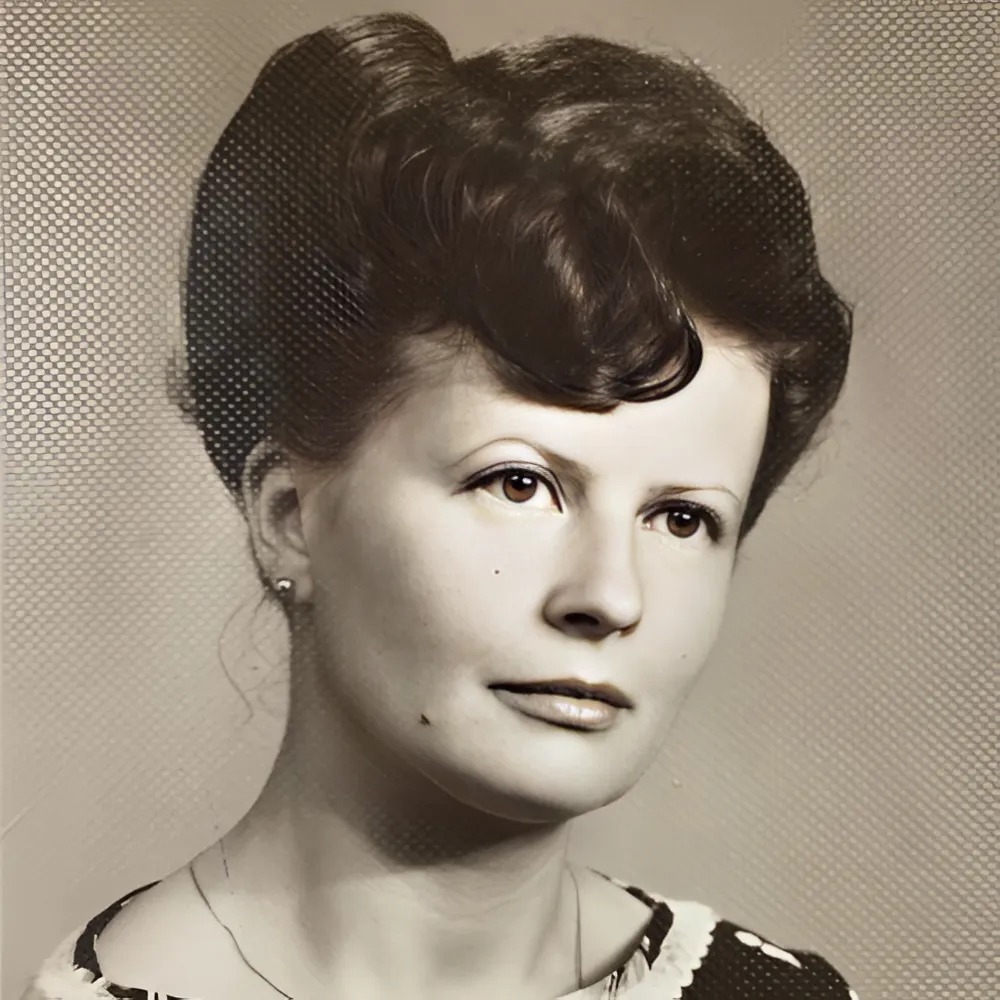
Галина Хміль
1996–2000 р.

Оксана Петручок
2000–2024 р.
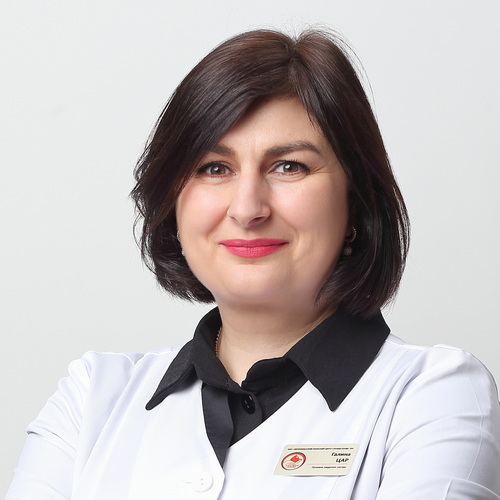
Галина Цар
2024–2025
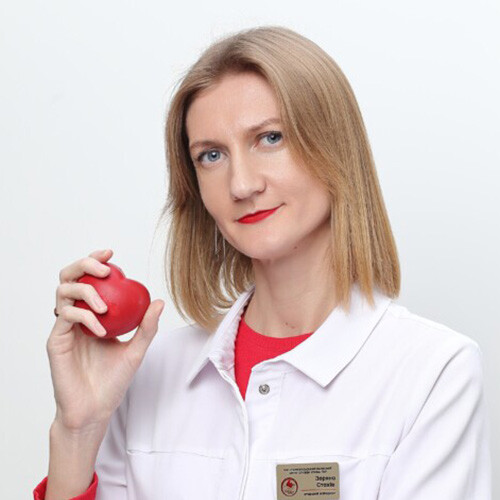
Стахів Зоряна
2025 - до тепер